
For Family Caregivers
Caring for a loved one with memory loss is one of the hardest jobs there is. These conversations and answers, hosted by Just Like Home founder Deirdre Virvo, offer practical support, and a reminder that you do not have to do it alone.
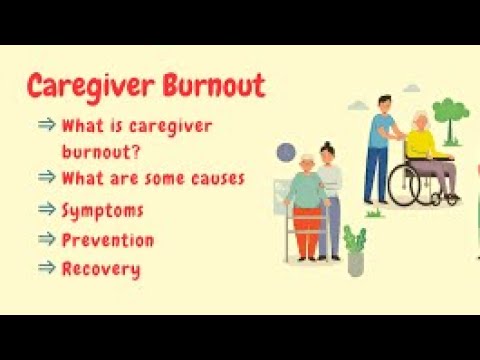
Caregiver burnout is real, and it builds quietly. Watch for exhaustion, irritability, trouble sleeping, and pulling away from friends. Protect yourself by asking for and accepting help, taking regular breaks, using respite care, joining a support group, and keeping up your own doctor visits. Caring for yourself is part of caring for your loved one, not a luxury.

Small, steady habits keep caregivers going. Guard a little time each day for yourself, stay connected to people who support you, keep moving, and let go of the idea that you must do everything perfectly. Lean on family, friends, and community resources, and consider a support group where others truly understand what you are going through.

Conversations about driving, safety, finances, or moving are hard for everyone. Start early, before a crisis, and lead with love rather than a checklist. Ask open questions, listen more than you talk, and revisit the topic over time instead of forcing one big decision. A trusted doctor or advisor can help carry the conversation too.

Begin by writing down what you are noticing: changes in memory, mood, safety, or daily habits. Share those notes with their doctor, who can look for treatable causes. From there you can learn what help is available, from in-home support to memory care, and take one step at a time rather than trying to solve everything at once.

Families do not have to figure this out alone. Local Area Agencies on Aging, the Alzheimer's Association helpline, and community volunteer programs can connect you with support, respite, and guidance. This conversation features one such community resource for seniors and their caregivers.
Every family is different, but common signs include safety concerns like wandering or falls, a loved one who is increasingly isolated, and needs that have grown beyond what one person can safely manage at home, along with caregiver exhaustion. A small residential memory care home can offer safety, routine, and companionship, and give family caregivers real relief. We are always glad to talk it through, with no pressure.
We encourage families to look at places before a place is needed, so you can rule options in or out while there is no pressure. You will know what is the right fit for your loved one. Large assisted living communities are excellent and full of choice when memory care is not what you need. Once memory care is what you need, the first question becomes safety, and after that it is happiness and a sense of autonomy.
Educational sources: Alzheimer's Association, National Institute on Aging
Just Like Home is two small residential memory care homes in Shelton, Connecticut, for people living with Alzheimer's and other forms of dementia. We are memory care only, so every home and every routine is built around dementia.
Licensed by the Connecticut Department of Public Health as Residential Care Homes, #1924 (Dogwood) and #1926 (Long Hill). Rated 5.0 on Caring.com.
Our homes are Dogwood at 62 Dogwood Drive and Long Hill at 757 Long Hill Avenue, both in Shelton. Founded by Deirdre Virvo, a social worker and author of "Home to Home."