
At-Home Stress Relievers For Caregivers
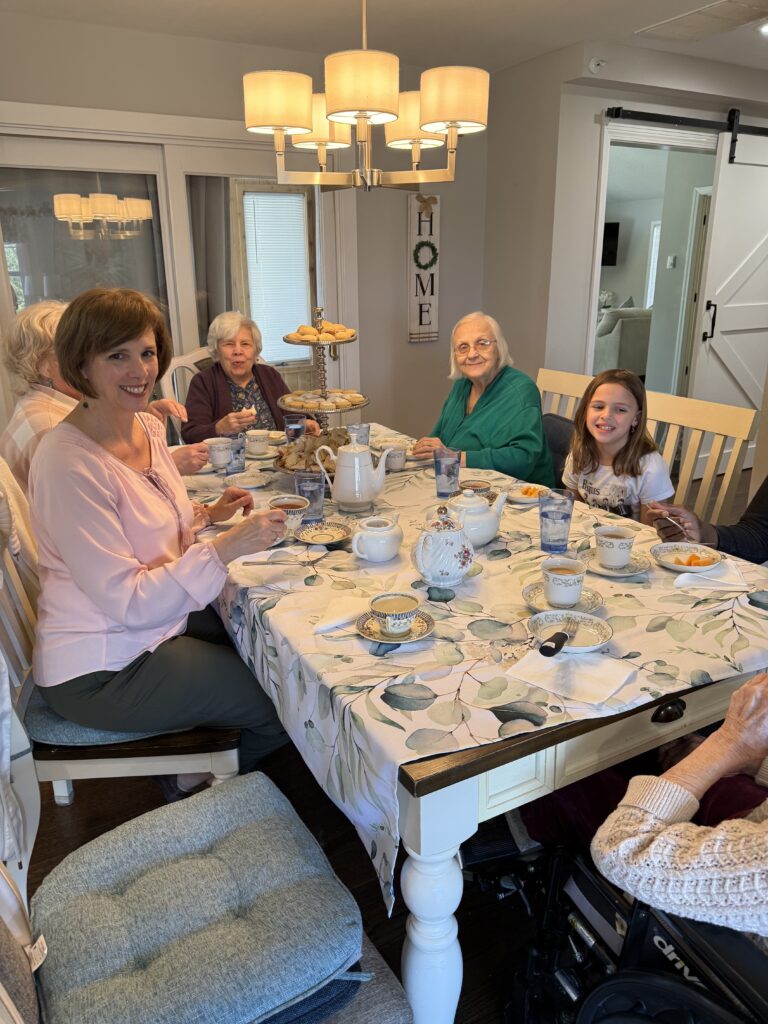
As a caregiver, you know you need to de-stress. But who has the time to go to five yoga classes a week or the money to indulge in professional massages? Fortunately, there are ways to alleviate stress without leaving your home and without spending money. You’re surrounded by everyday household items that have the power to help you relax and unwind. You just have to know where to look! Regularly treat yourself to a few of these simple activities to help prevent caregiver burnout and reduce caregiver stress.
Are You Having Challenges Caring for Your Aging Parent?
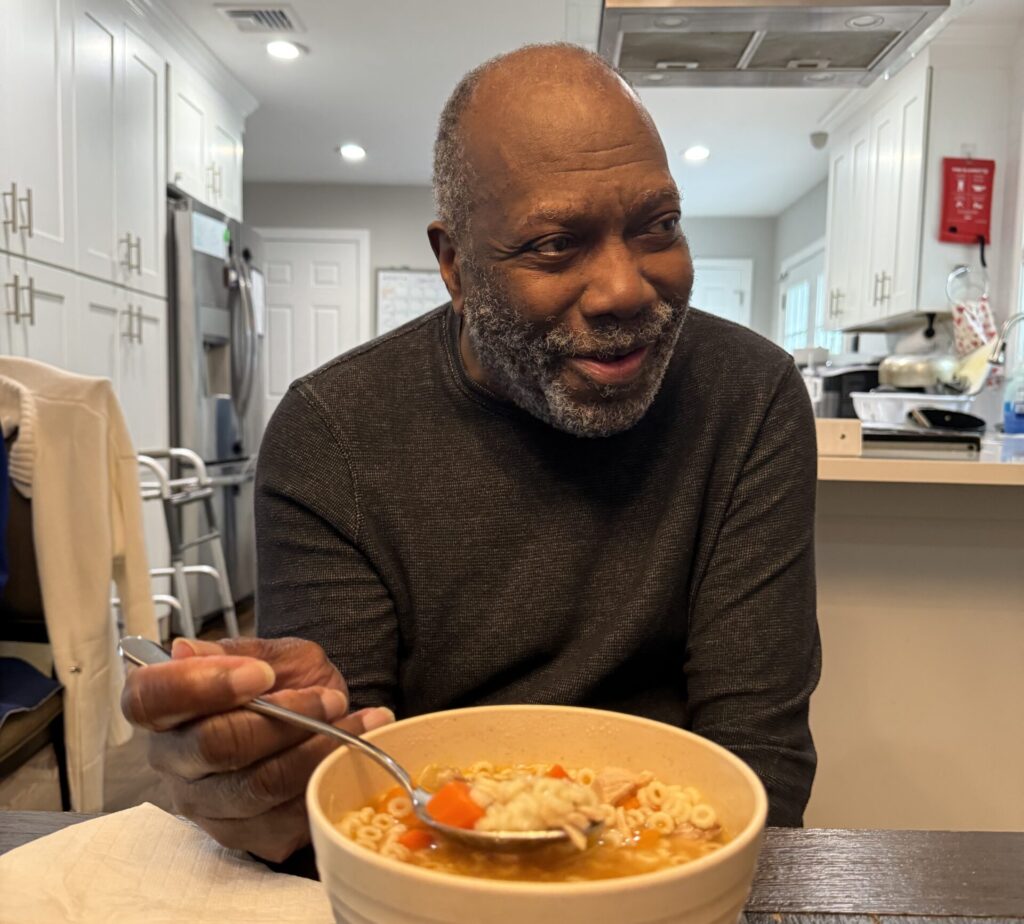
If you have taken on the responsibility for your aging parent, you may be finding it a rewarding and very overwhelming experience. Over the past ten years, I have watched many friends take care of their aging parents, myself included. It often falls on just one child, either the one that lives the closest or he who steps up to the plate. It is often a very emotional blessing and a heavy burden. As a caregiver may feel overwhelmed, anxious or intimidated by some of the daily tasks they you must complete. Add in the guilt of uncertainty about all of decisions that you have to make for your parent. It is not easy.
How to cope When the Loved One You Cared for Dies

Regardless of our personal caregiving experiences and feelings following the loss of a care recipient, one thing is certain: life as we knew it has changed. Moving into the next stage of our lives requires patience, a change in attitude and unique steps for each of us. Many of us need outside help to guide us through our grief, and there is no shame in that.
Dementia and Wandering
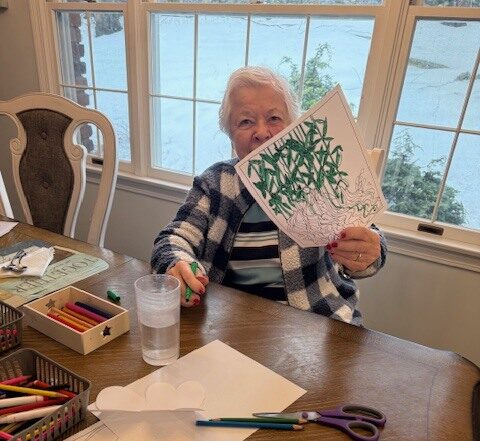
One of the changes that occurs in people with Alzheimer’s disease and dementia is a reduced ability to recognize familiar surroundings. This can cause them to become confused about where they are and wander away in search of a more familiar environment.
Getting Your Siblings to Help With Caregiving
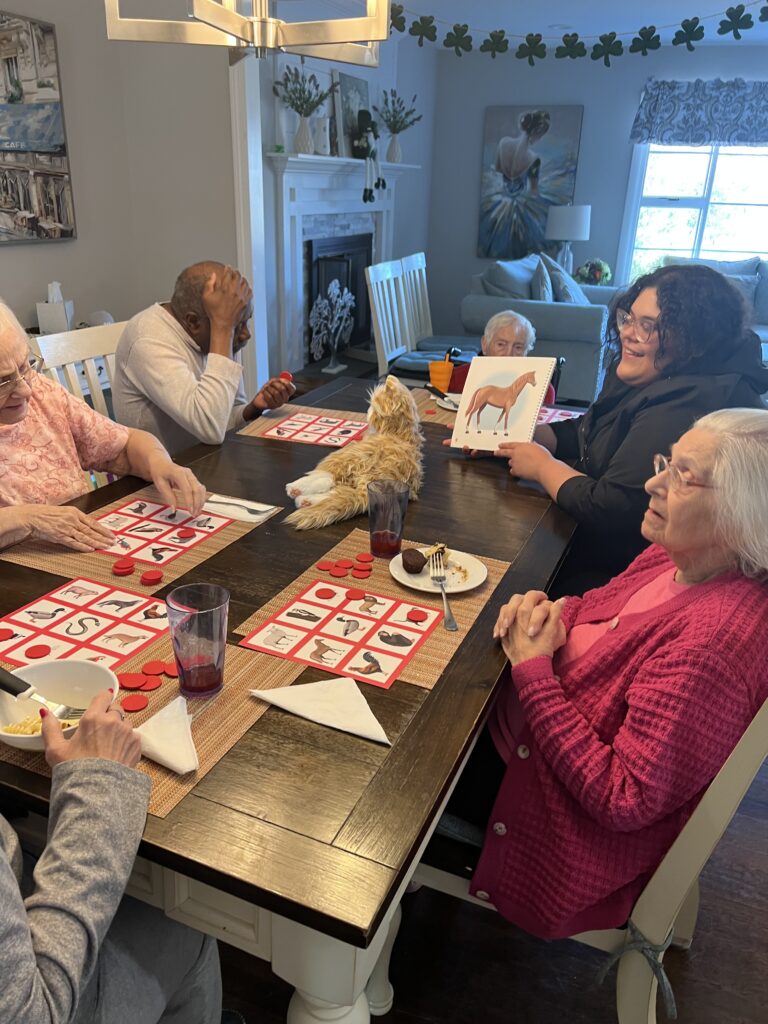
When an elderly parent’s health begins to fail, one adult child generally assumes the role of primary caregiver. While this arrangement may work well for a time, it can eventually lead to resentment when you find yourself shouldering most of the burden—especially if other siblings live nearby and still don’t help out.
How to Determine a Senior Needs Help at Home
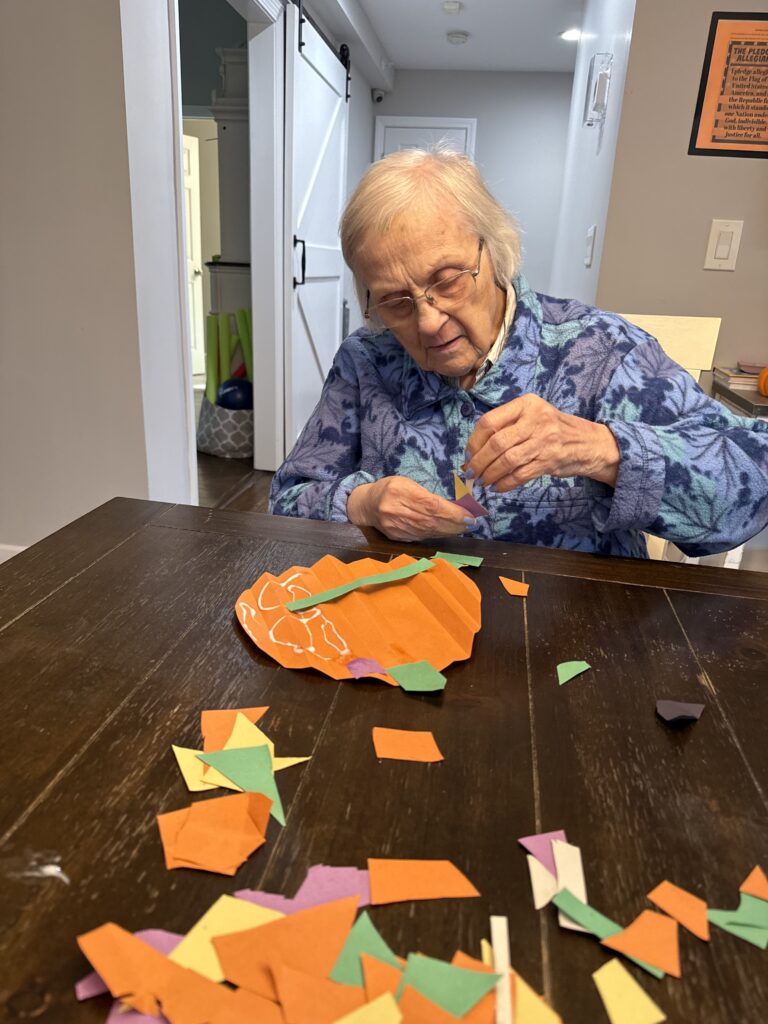
Admitting the need for assistance—and accepting it—is not easy for people as they age. So, how will you know when your aging parent needs help at home? One thing is certain: Mom and Dad aren’t likely to be the ones who tell you!
The Emergency Medical File Every Caregiver Should Create
Many seniors have chronic medical conditions that must be closely monitored and for which they take any number of prescription medications. Family caregivers tend to get a crash course in nursing and managing medical care once they begin helping aging loved ones, and the biggest lesson many learn initially is that organization is key. This is especially true when a senior develops a need for urgent medical care.
Should You Quit Your Job To Care for Your Elderly Parent?
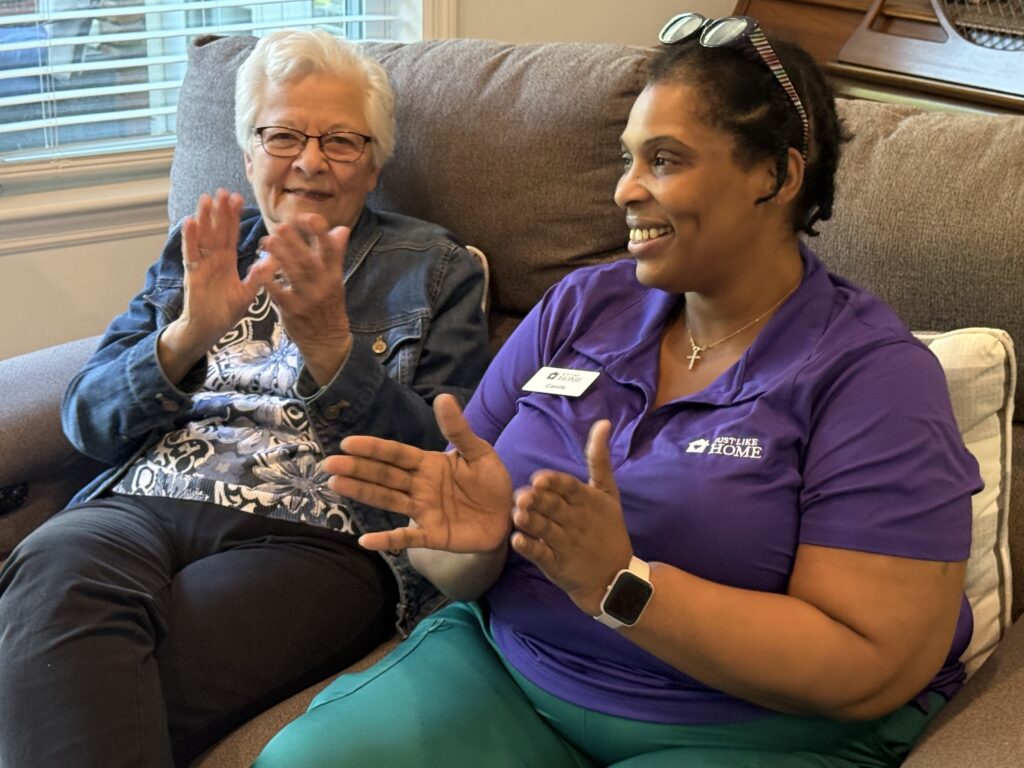
As parents age and need more assistance, most adult children do what they can to help. For many, the first step is a weekly stop by Mom and Dad’s home to assess the situation and perhaps help with some chores and errands. Often, these check-ins increase in frequency until they become a routine part of each day.
How to Choose Respite Care for Dementia Patients

All caregivers need a break from their responsibilities from time to time—especially those who are caring for loved ones with Alzheimer’s disease or other types of dementia. But, not all caregivers have a large family or a robust support system to help them balance elder care and self-care.
Are Your Aging Parents Struggling to Care for Themselves at Home?
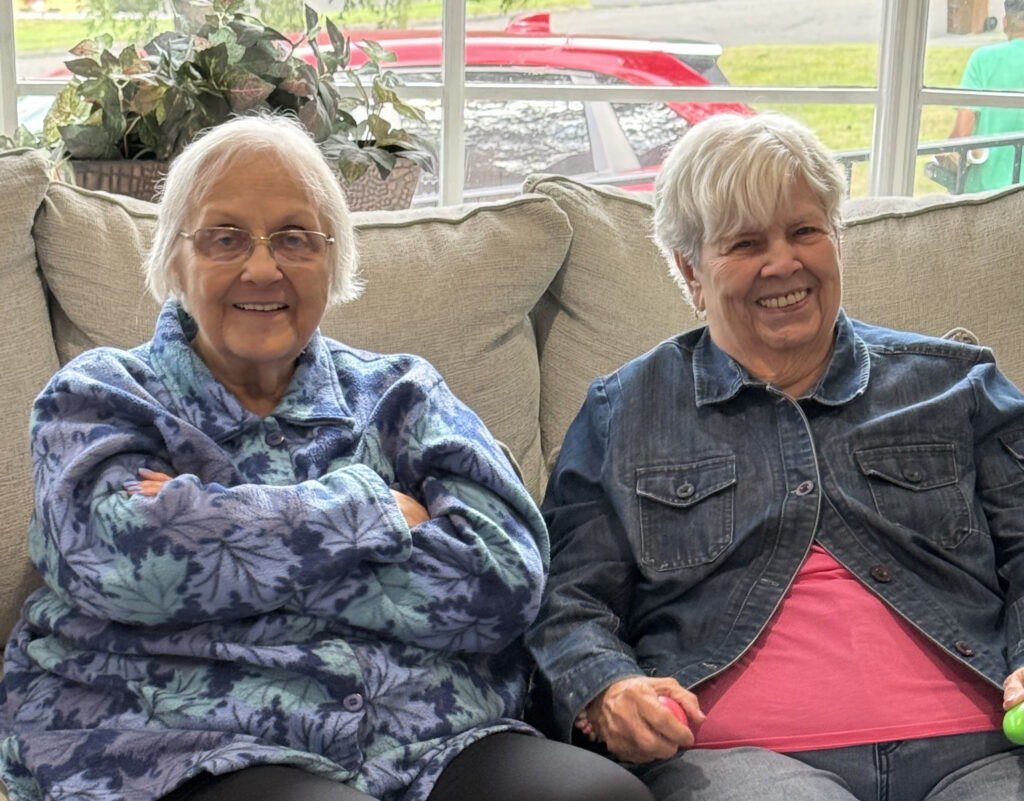
People have a more difficult time managing to care for themselves as they age. Especially if a spouse has passed and they live alone. This Pandemic has added an extra layer of isolation and possible depression or melancholy. Some seniors may be unwilling to follow their doctor’s orders and take the medications that they need to stay healthy. Other aging parents simply cannot comply with some orders or follow medical advice. Because they have a physical, mental, or logistical challenges, following orders is difficult.